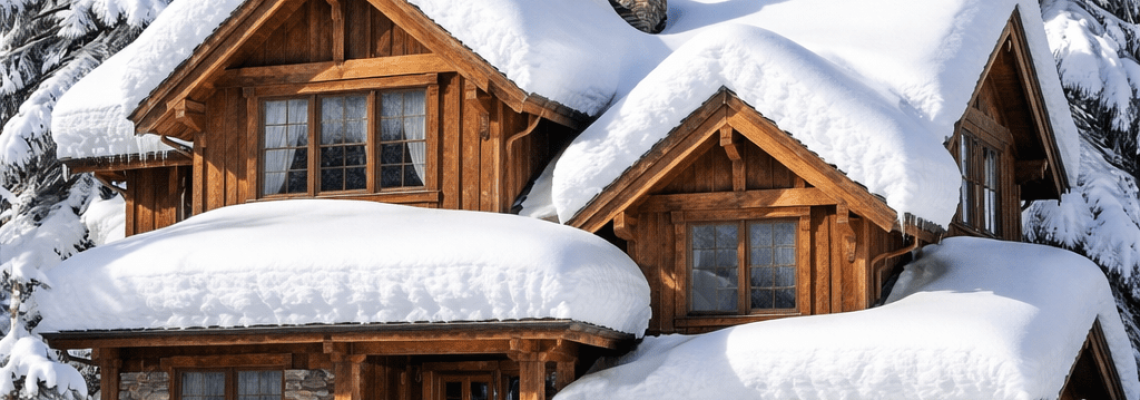
Welcome back to the blog! Adrian Oliver here, your friendly neighborhood mountain roofer. Last month, we covered the best roofing materials for our unique Colorado climate. Now, we’re diving into a topic that’s on every mountain homeowner’s mind once the snow starts to fall: weight. Here at Home Grown Roofing, we want to ensure your home is safe and secure all winter long, and that starts with understanding the immense pressure heavy snow can put on your roof.
Living in beautiful places like Summit County means dealing with serious snowfall. But have you ever wondered what several feet of snow actually weighs? The answer might surprise you, and the potential impact of heavy snow loads on roofs is something every mountain resident should take seriously.
Key Takeaways
- The Deceptive Weight of Snow: Snow is not just fluffy powder; a single cubic foot of wet, compacted snow can weigh over 20 pounds, translating to thousands of pounds of stress on your roof.
- Serious Structural Risks: Excessive snow load can lead to everything from a sagging roof deck and cracked interior walls to, in worst-case scenarios, a full structural collapse.
- The Danger of Ice Dams: Heavy snow cover is a primary ingredient for ice dams, which can force water under your shingles and cause significant water damage inside your home.
- Know the Warning Signs: Recognizing the early warning signs of a roof under stress—like creaking sounds or doors that suddenly stick—is critical for preventing catastrophic failure.
The Physics of Snow: From Flakes to Tons
It’s easy to look at a winter wonderland and not see the danger, but the weight of snow is a real and present threat. While light, fresh powder might only weigh about 7 pounds per cubic foot, that number changes dramatically as the snow settles, melts, and refreezes. Spring snow, which is often wet and heavy, can easily weigh 20-30 pounds per cubic foot.
Let’s do some quick math. If your roof is 1,500 square feet, just one foot of this heavy, wet snow could add up to 30,000 pounds of weight. That’s the equivalent of parking about 15 cars on your roof. This is why using a specialized Mountain Roofing Specialist is so critical in our area.
From Annoyance to Disaster: The Risks of Ignoring Snow Load
When a roof is pushed beyond its load-bearing capacity, the signs of trouble can appear slowly, then all at once. It’s crucial to know what to look for.
Telltale Signs of Structural Strain
Your house will often give you warning signs that the snow load is becoming too much for it to handle. Keep an eye out for:
- Visible Sagging: A noticeable bow or dip in the roofline is a major red flag.
- Interior Wall Cracks: New or expanding cracks in your drywall or plaster, especially around door and window frames.
- Sticking Doors and Windows: Sudden difficulty opening or closing interior doors can indicate that the frame is being distorted by pressure from above.
- Unusual Noises: Creaking, groaning, or popping sounds from the attic or roof structure are a clear sign of stress.
The Silent Threat of Ice Dams
Beyond the immediate structural risk, heavy snow creates the perfect conditions for ice dams. As heat escapes from your home, it melts the bottom layer of snow on the roof. This water runs down to the cold eaves, where it refreezes into a thick ridge of ice. This dam prevents further drainage, causing water to pool and back up under your shingles. This can lead to severe water damage, rot, and mold growth inside your attic and walls.
What’s the Solution? Proactive Roof Management
If you suspect the snow on your roof is reaching a critical weight, do not attempt to remove it yourself. Walking on a snow-covered roof is incredibly dangerous, and you can easily damage your roofing material. The safest and most effective solution is to call a professional team that specializes in snow removal and services for Mountain Roofing in Summit County.
For long-term peace of mind, the best defense is a roof designed for our environment. As we’ve discussed before, a standing seam metal roof is an excellent choice for its ability to shed snow naturally. Proper attic insulation and ventilation are also key to preventing ice dams.
Next week, we’ll continue this theme by exploring the other unique challenges of high-altitude construction in our post, Roofing at High Altitude: Special Considerations for Homes Above 10,000 Feet.
Your Mountain Home Deserves an Expert
Don’t let the beauty of a Colorado winter distract from the potential dangers lurking on your rooftop. If you have any concerns about your roof’s ability to handle this season’s snowfall, please give us a call. We’re here to provide professional inspections and peace of mind.
Worried about the weight on your roof? Contact Home Grown Roofing today for a professional inspection and snow removal services!